

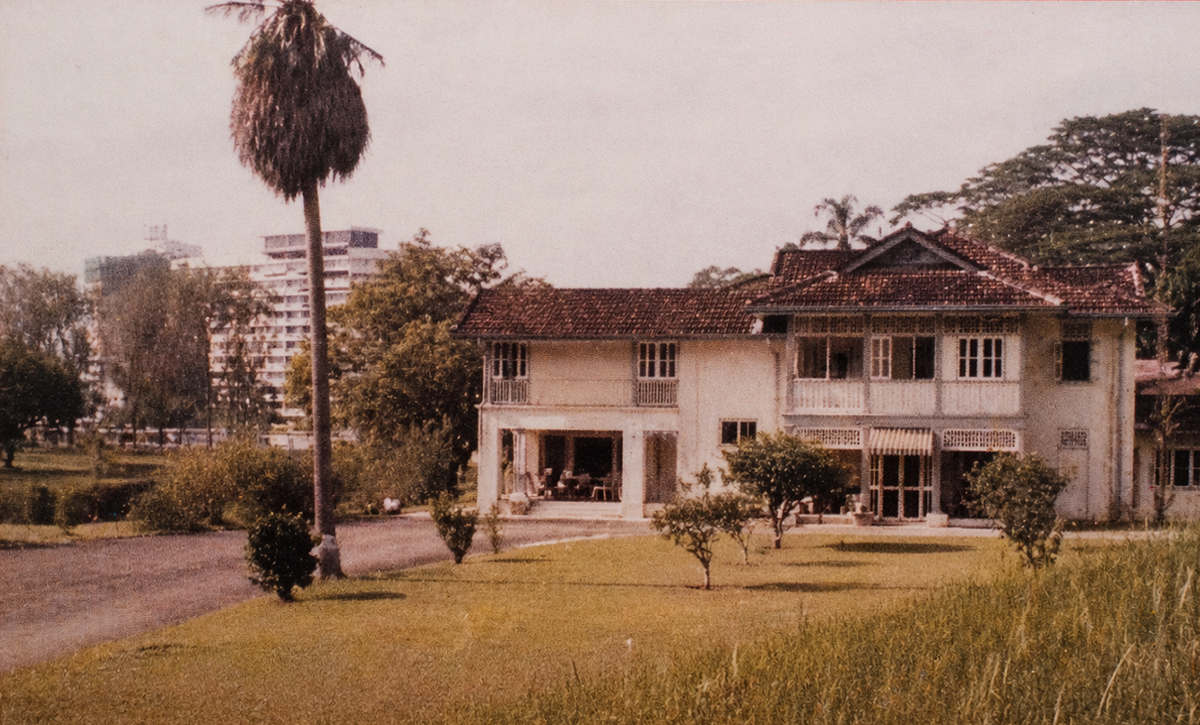
From a small French school
to a leading international institution
Founded in 1962, the school began as a small initiative to support French families abroad.
Today, it welcomes a diverse international community while maintaining the same foundation: strong academics, a supportive environment, and a global outlook.
A French School, Shaped by Malaysia
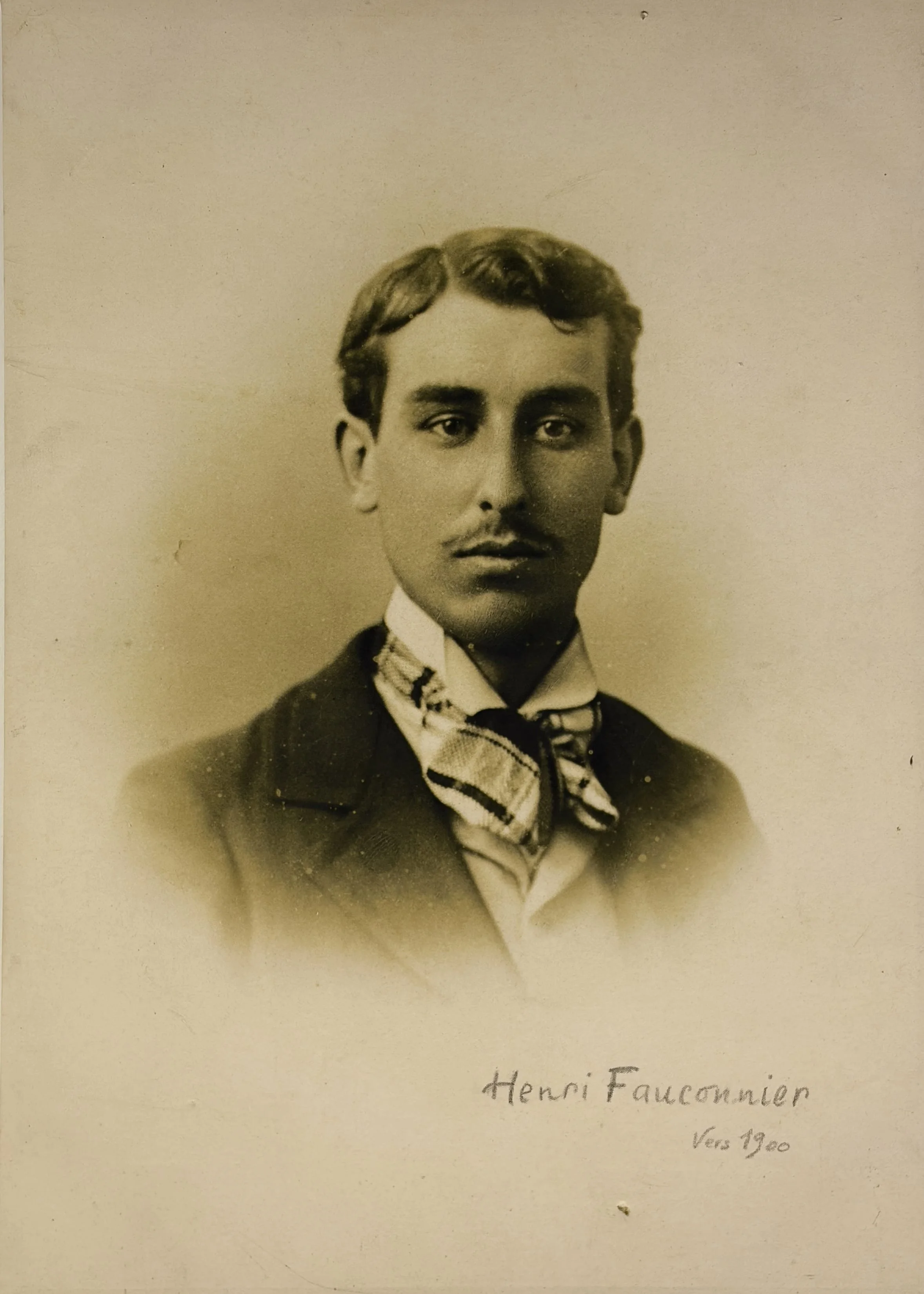
The school is named after Henri Fauconnier, a French writer and planter who lived in Malaya in the early 20th century. Through his work, he explored the meeting of cultures between France and Southeast Asia.
This connection reflects the school’s identity today:
a place where cultures meet, and where education opens doors to the world.
1962 - 1985
A school with a strong foundation
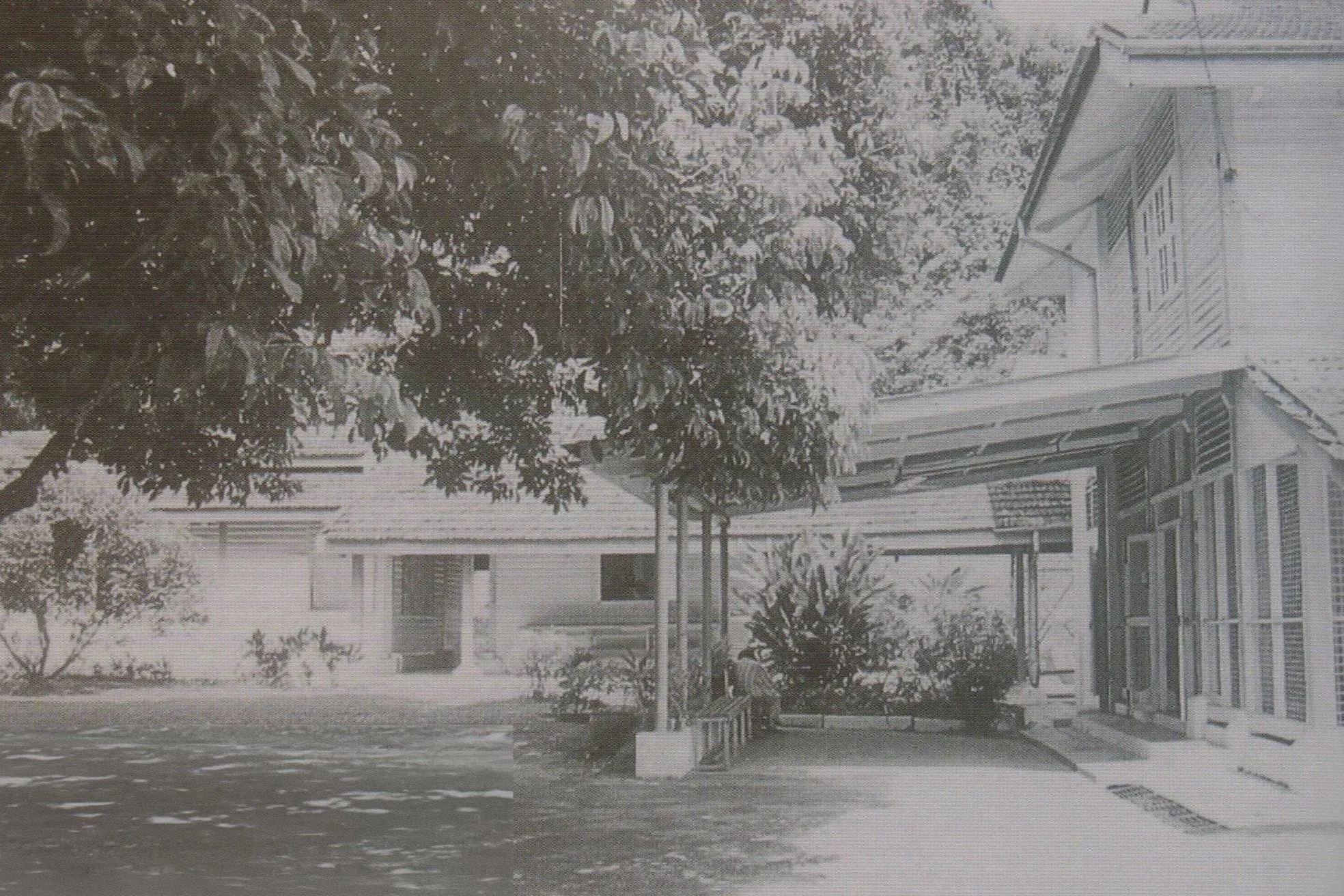
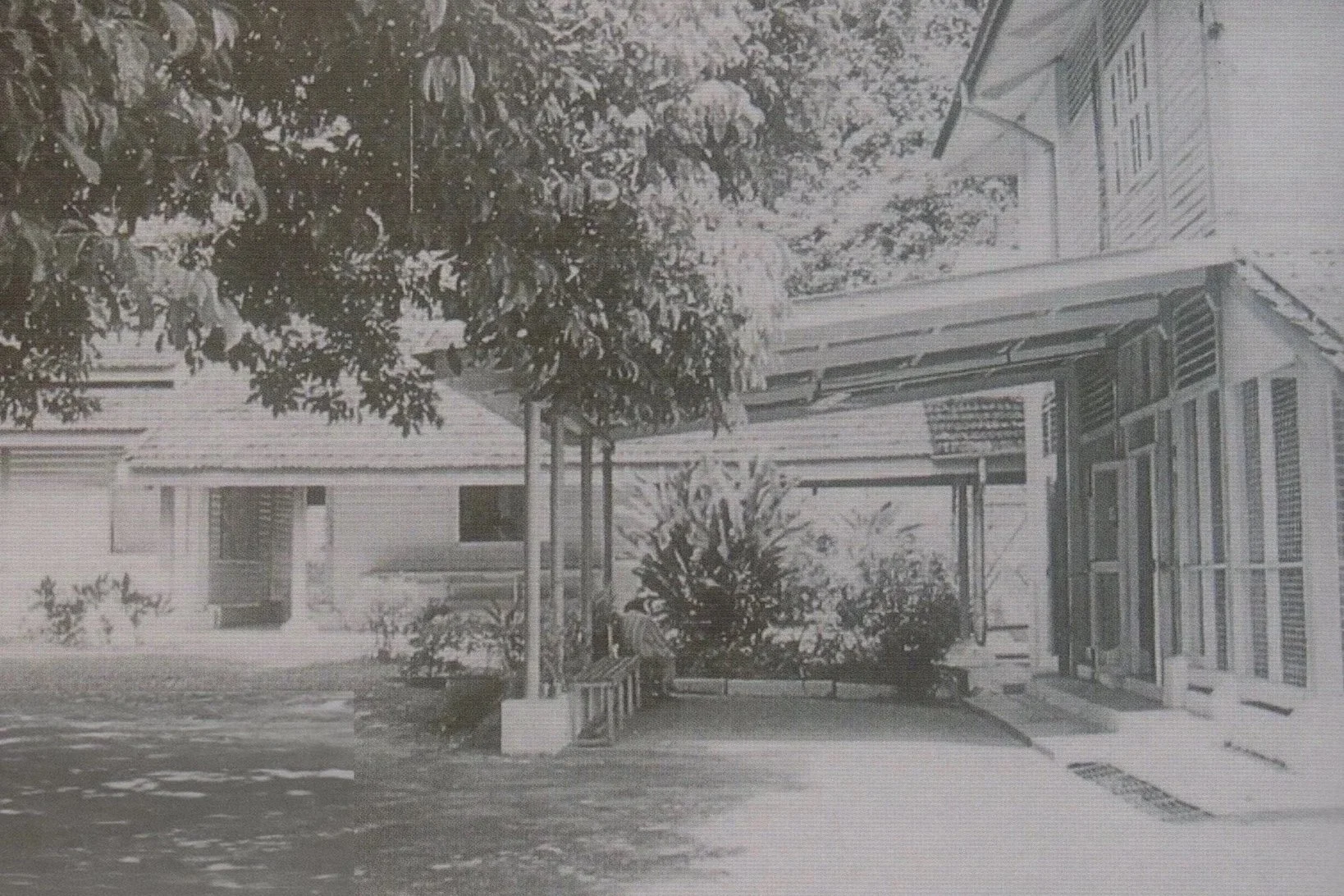
The school began within the Alliance Française, with a small number of students and limited resources.
Classes were often multi-level, and teaching combined in-person instruction with distance learning.
In 1983, the move to Bukit Tunku marked a first step toward a more structured institution.
Despite modest facilities, the school was driven by the commitment of teachers and families, creating a close and supportive environment.
Témoignage - 1972
La Petite École Française de Kuala Lumpur en 1972
“Nous étions peu nombreux, dans une classe accueillante au sein de l’Alliance Française. Les élèves avaient entre 7 et 13 ans, et l’enseignement s’adaptait à chacun. L’école fonctionnait avec des moyens simples.
Certaines matières se faisaient à distance avec le CNED, et les livres étaient partagés entre élèves. Les espaces étaient limités, mais l’ambiance était chaleureuse et très humaine. Les journées se poursuivaient parfois dans d’autres écoles pour compléter l’apprentissage.
On passait facilement d’un environnement à un autre, toujours avec curiosité. Ce n’était pas une école parfaite, mais c’était une école où l’on se connaissait tous, où l’on apprenait ensemble, et où l’on gardait de vrais souvenirs.”
— Clara Francillon, élève, 8 ans en 1972“
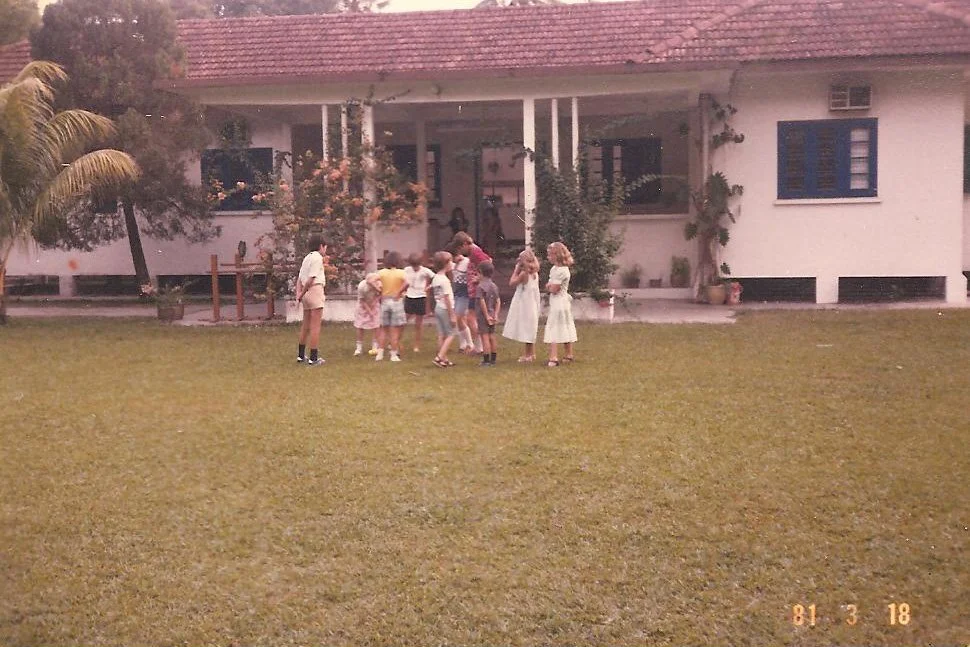
Petite École Français, Lorong Gurney, 1981
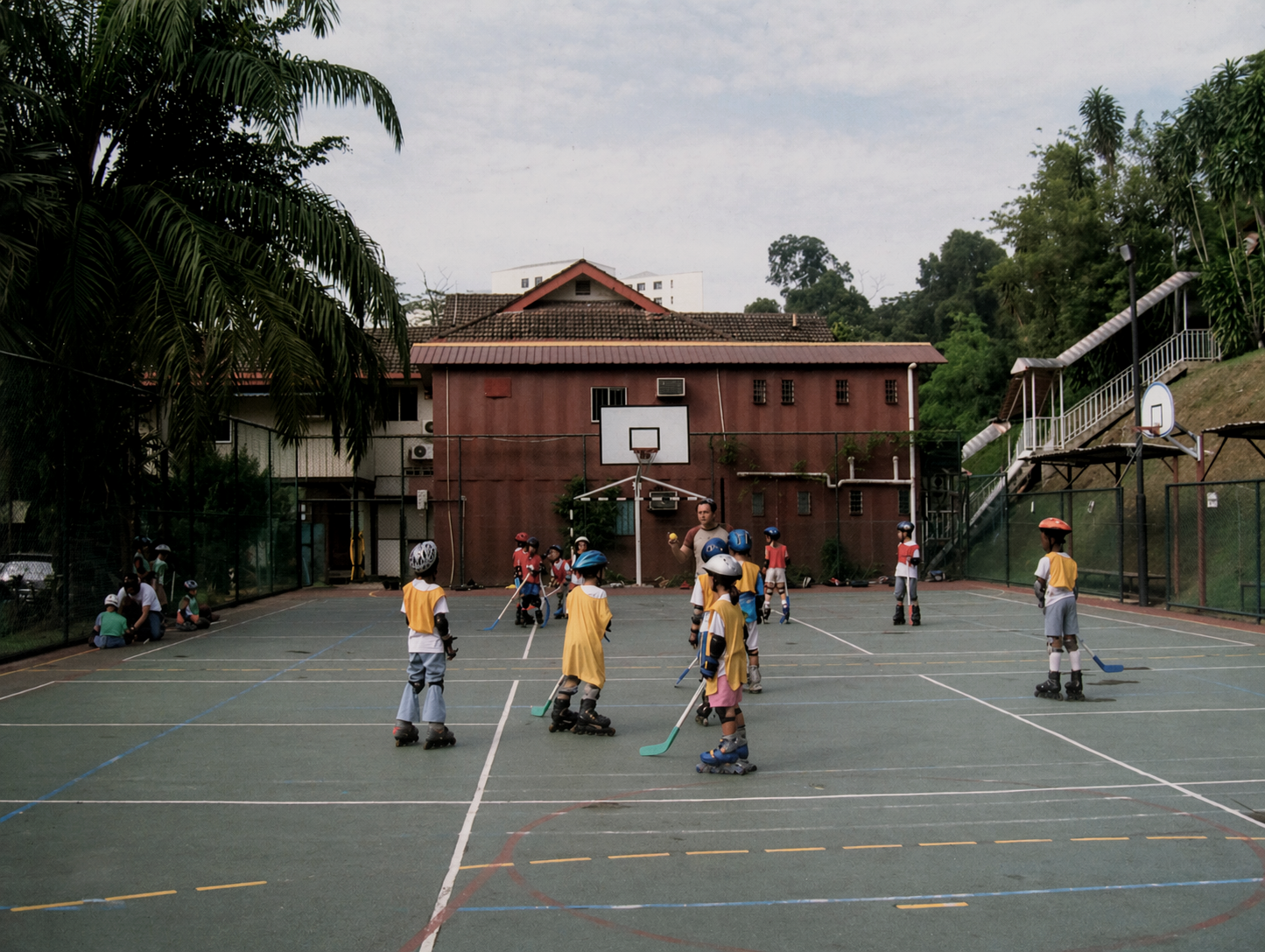
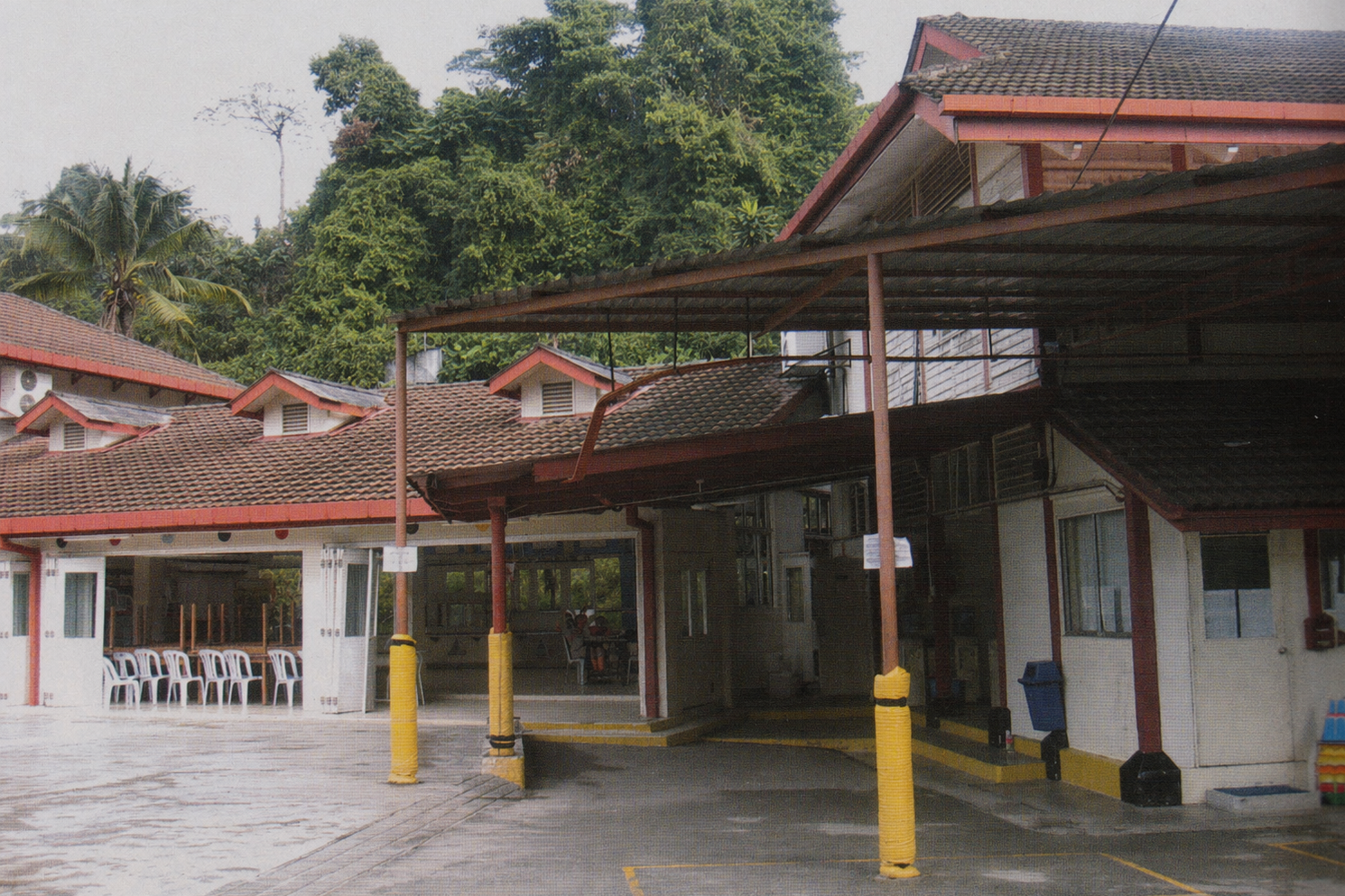
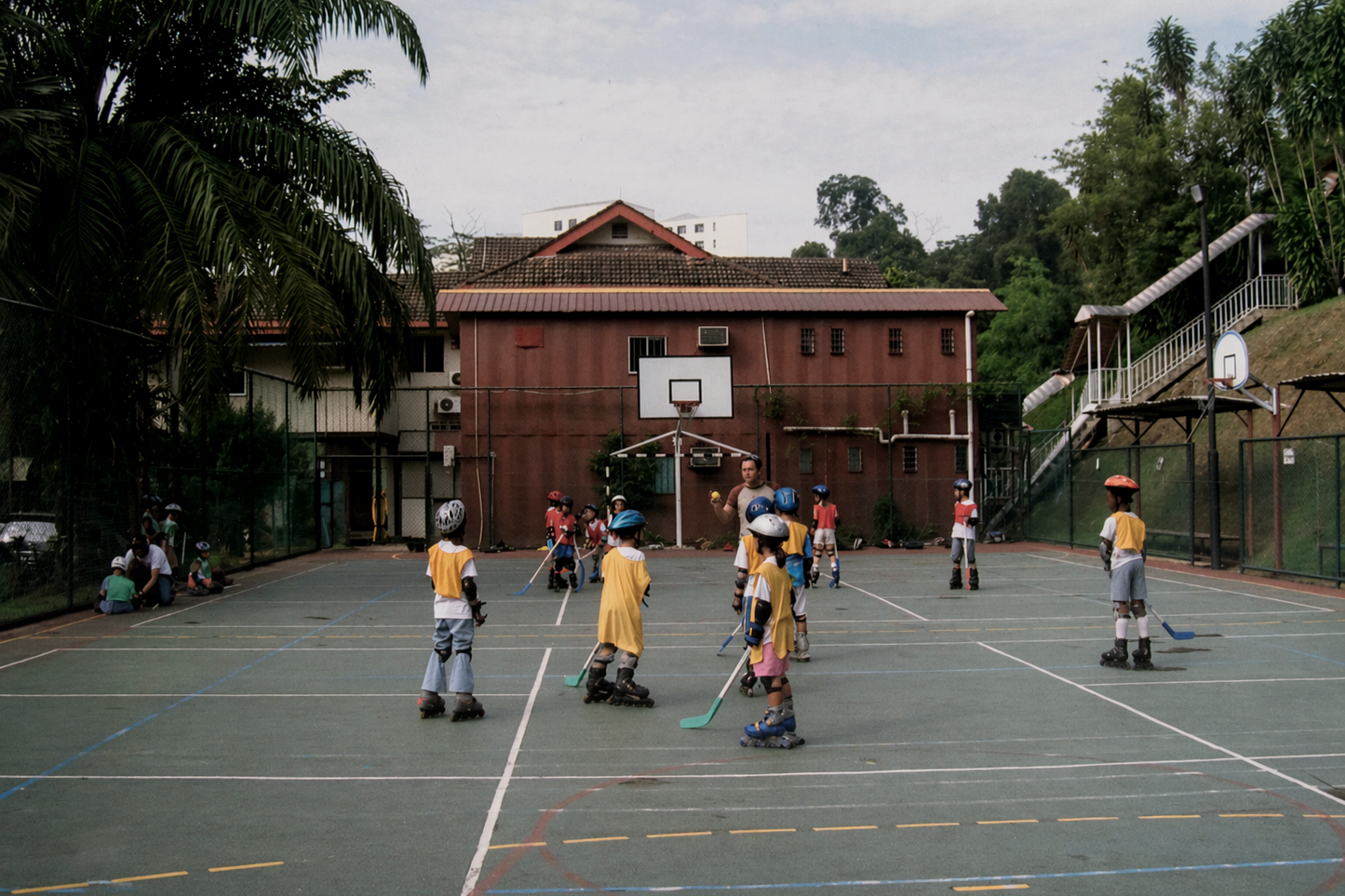
1985 - 2005
Structuring and long-term vision
As the French and international communities in Kuala Lumpur grew, the school expanded steadily.
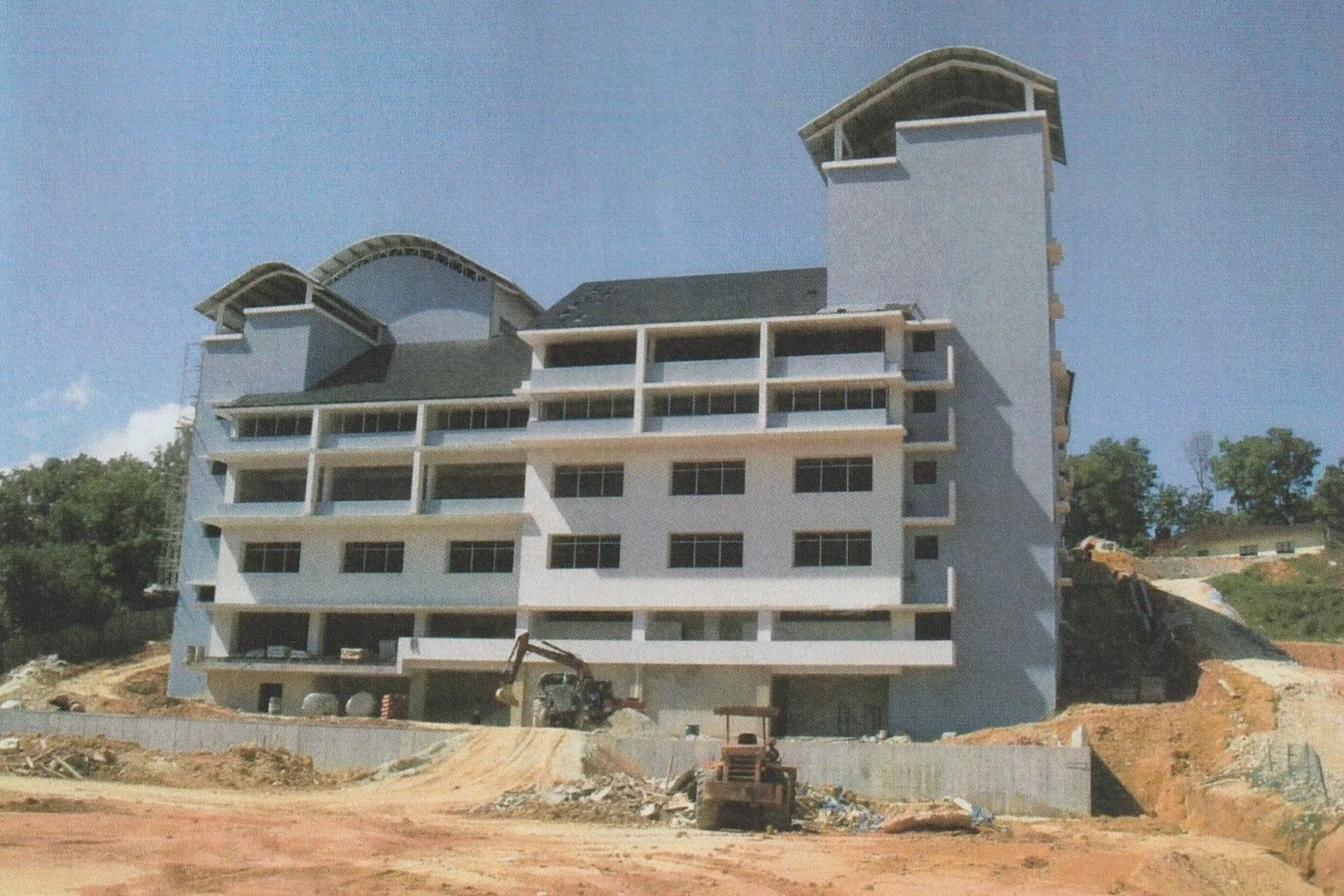
New classes opened, student numbers increased, and the need for a permanent campus became clear. By the late 1990s, plans were in motion to secure a long-term site and build a school designed for growth.
2005 - 2008
A new campus, a new dimension
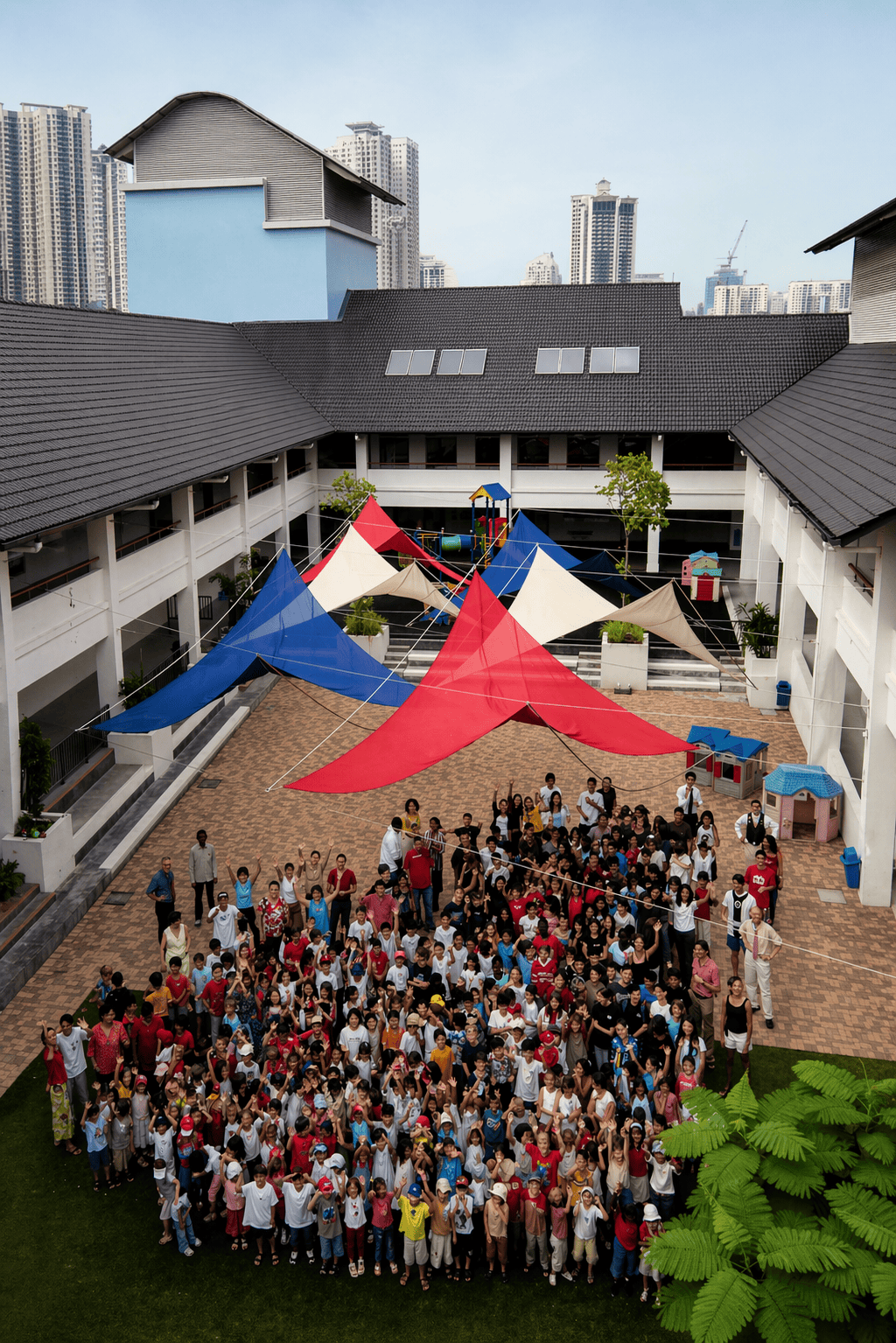
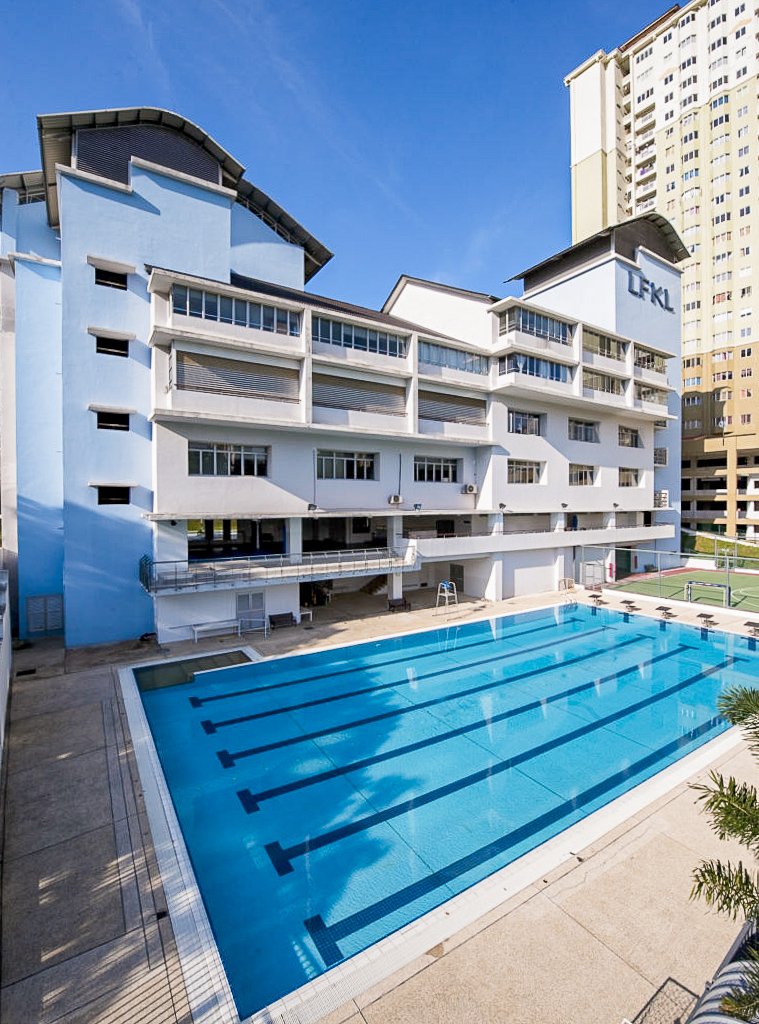
The move to a purpose-built campus marked a major turning point.
For the first time, the school had the space and facilities to match its ambitions.
Improved classrooms, sports areas, and learning environments enhanced both academic life and student experience.
2008 - 2012
Opening to the world
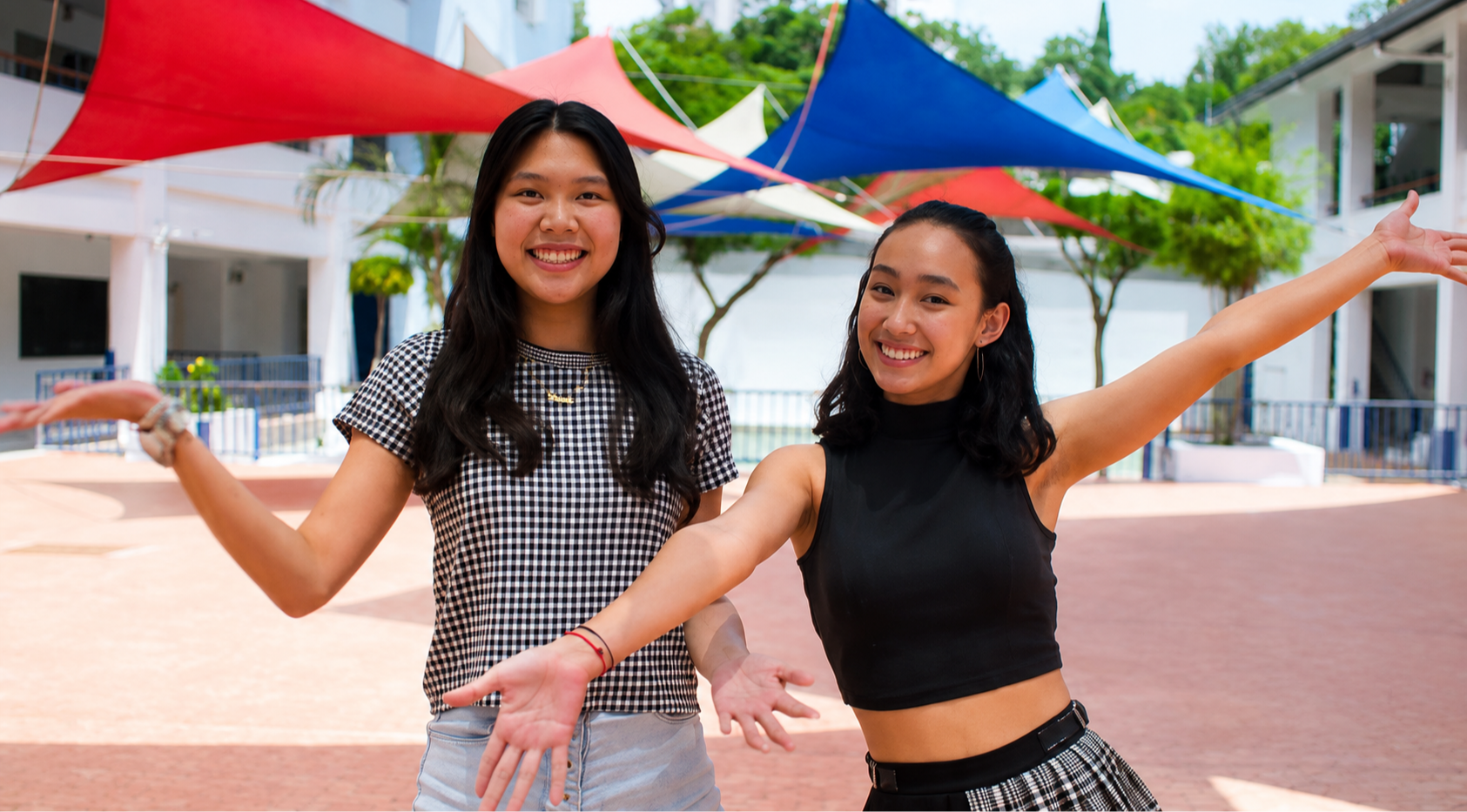
The school expanded beyond its original French-speaking base. Bilingual programmes were introduced, English certifications became part of the curriculum, and the student body became increasingly international. This period saw rapid growth and a shift toward a more global identity.

2012 - 2020
Academic Strength & Recognition
The school reached a new level of maturity. It became an official Baccalauréat examination centre, confirming its academic standards and autonomy.
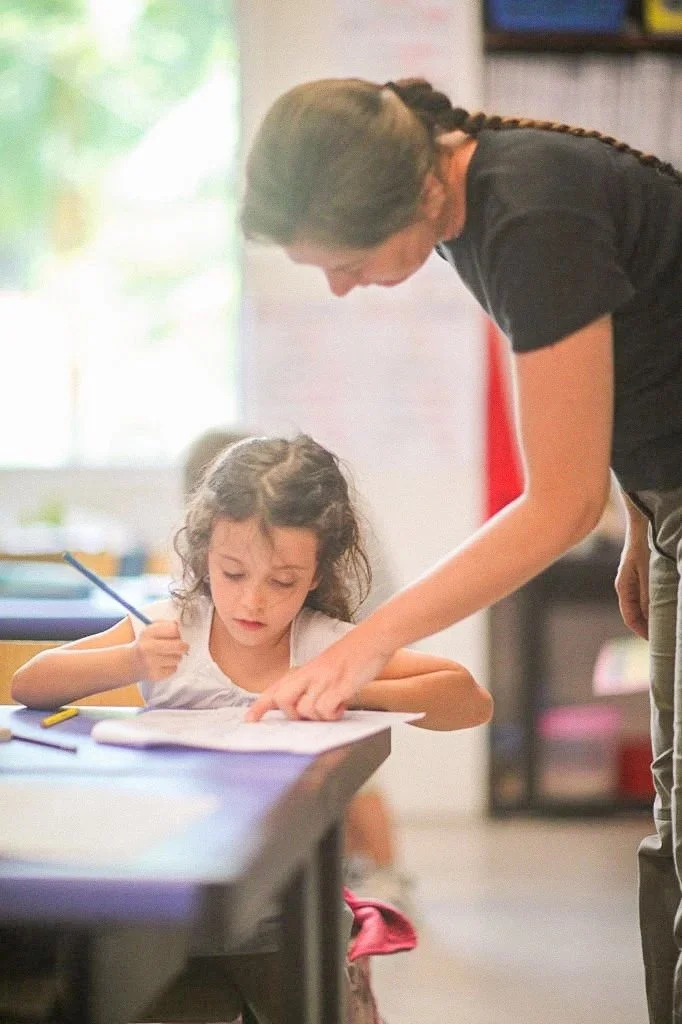
Teaching became more structured, with a stronger focus on individual student progression and a broader educational offering.
2016 - 2020
Growing and adapting
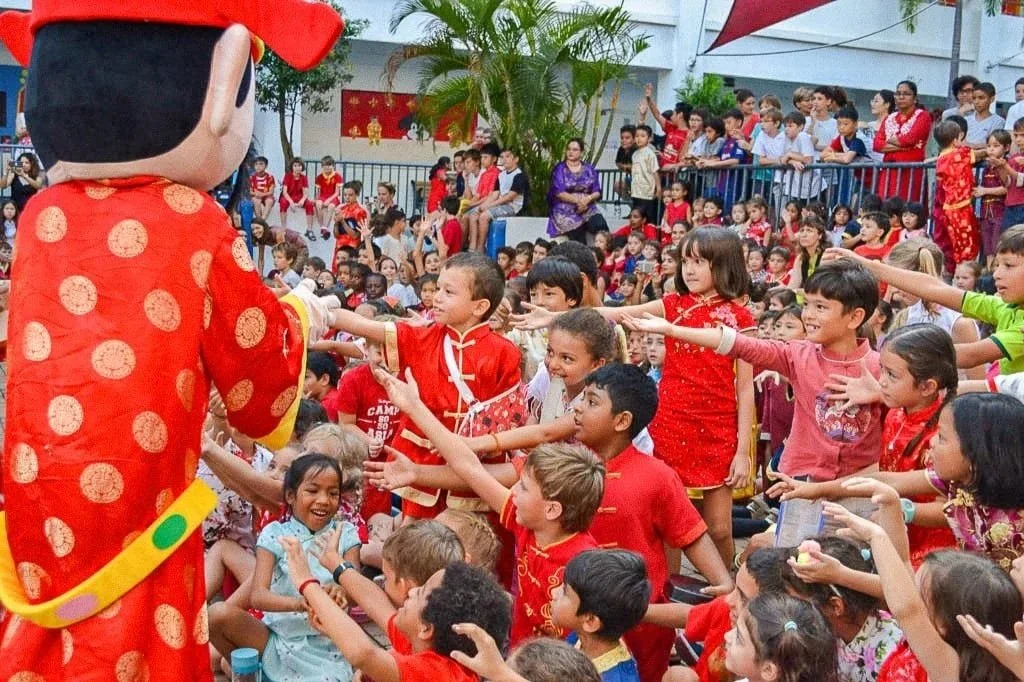
The school continued to expand and improve its offering. New programmes, updated facilities, and a growing student population reinforced its position among international schools in Kuala Lumpur. At the same time, maintaining a sense of community remained a priority.
2020 - today
A multicultural, future-ready school
The school navigates global challenges while continuing to evolve.
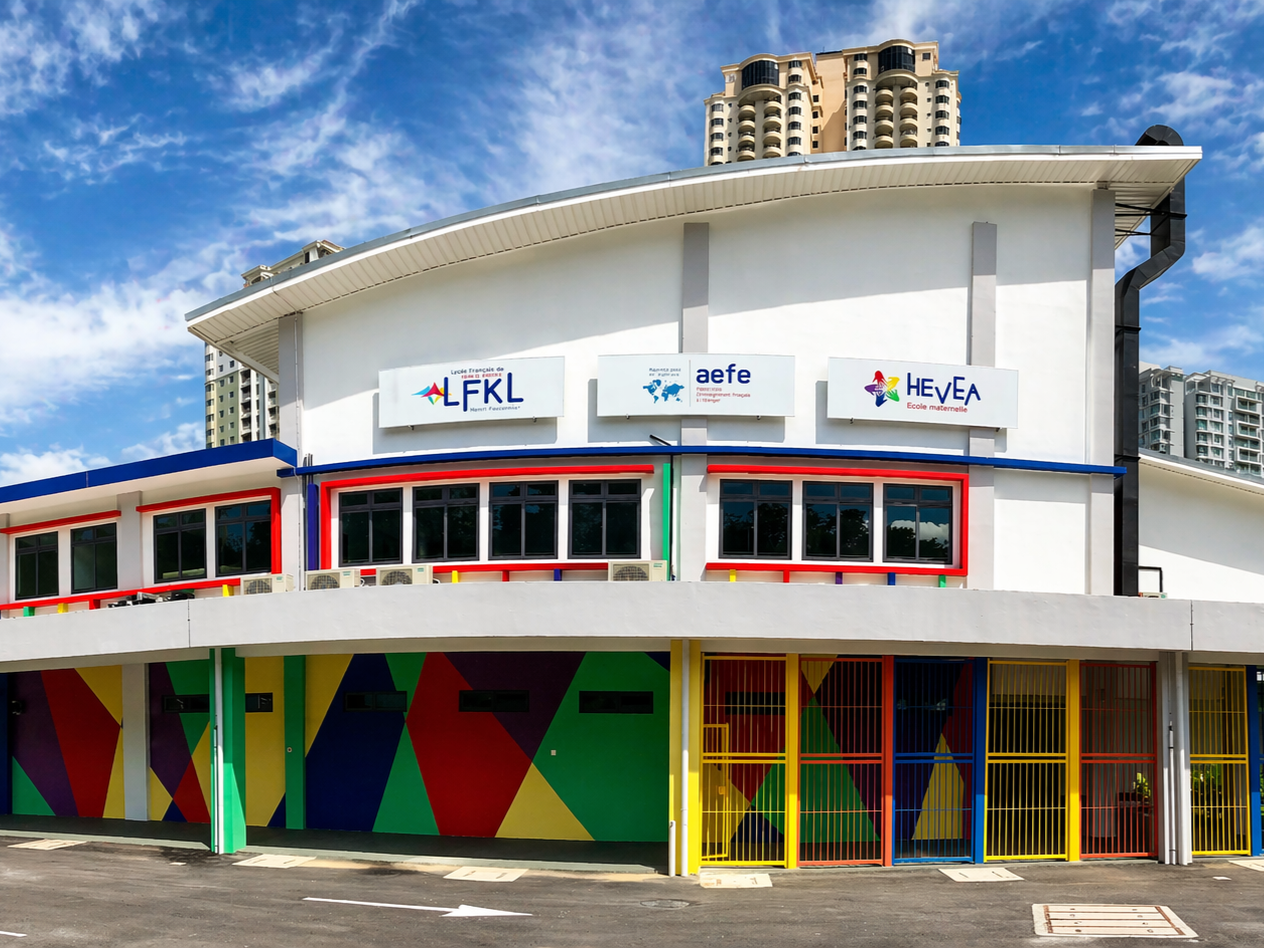
A new primary campus opens, international sections are introduced, and partnerships expand the learning experience.
KEY MILESTONES
1962 — Foundation within the Alliance Française
1983 — Move to Bukit Tunku
Late 1990s — Decision to invest in a permanent campus
2005 — Opening of the new campus
2008 — Launch of bilingual programmes
2012 — Baccalauréat examination centre
2020 — Opening of the new primary campus
2023 — 60th anniversary
They shaped the school’s evolution.
-

Jean-François Lledos
Led the transition to a new campus and supported early growth
-

Larbi Nadji
Drove international expansion and bilingual development
-
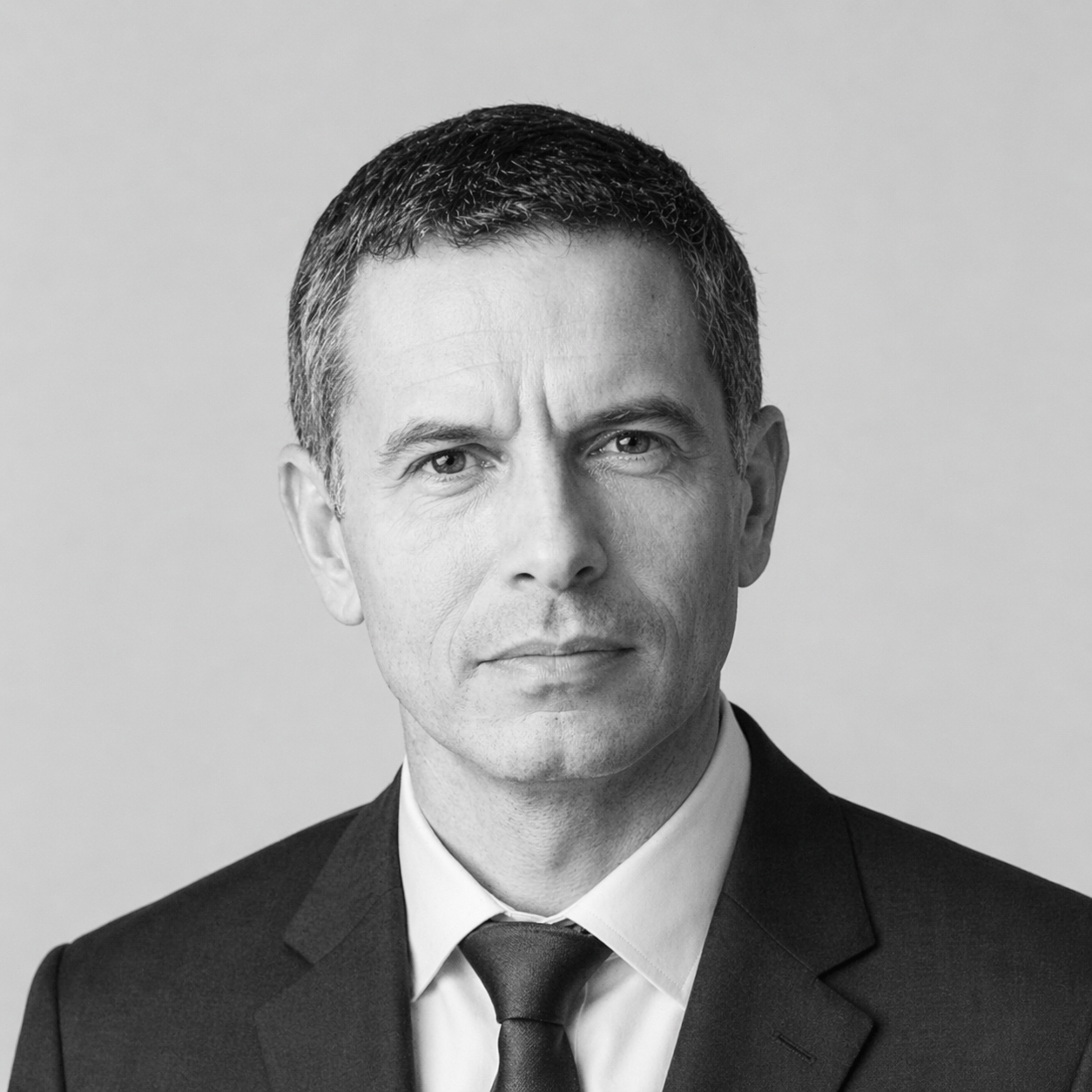
Gilles Martinez
Strengthened academic structure and long-term positioning
-
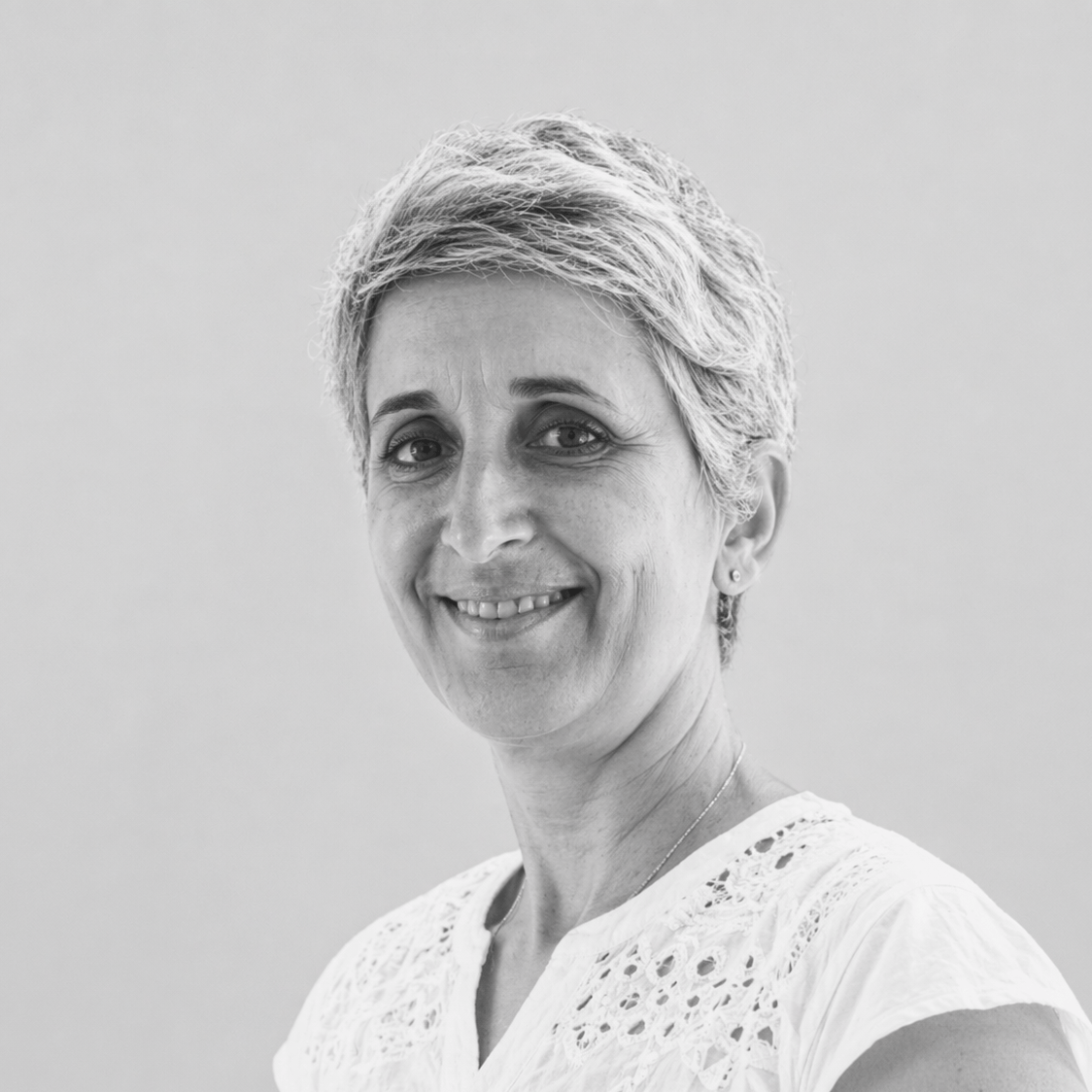
Patricia Reynaud
Led the school through modernisation and pandemic challenges