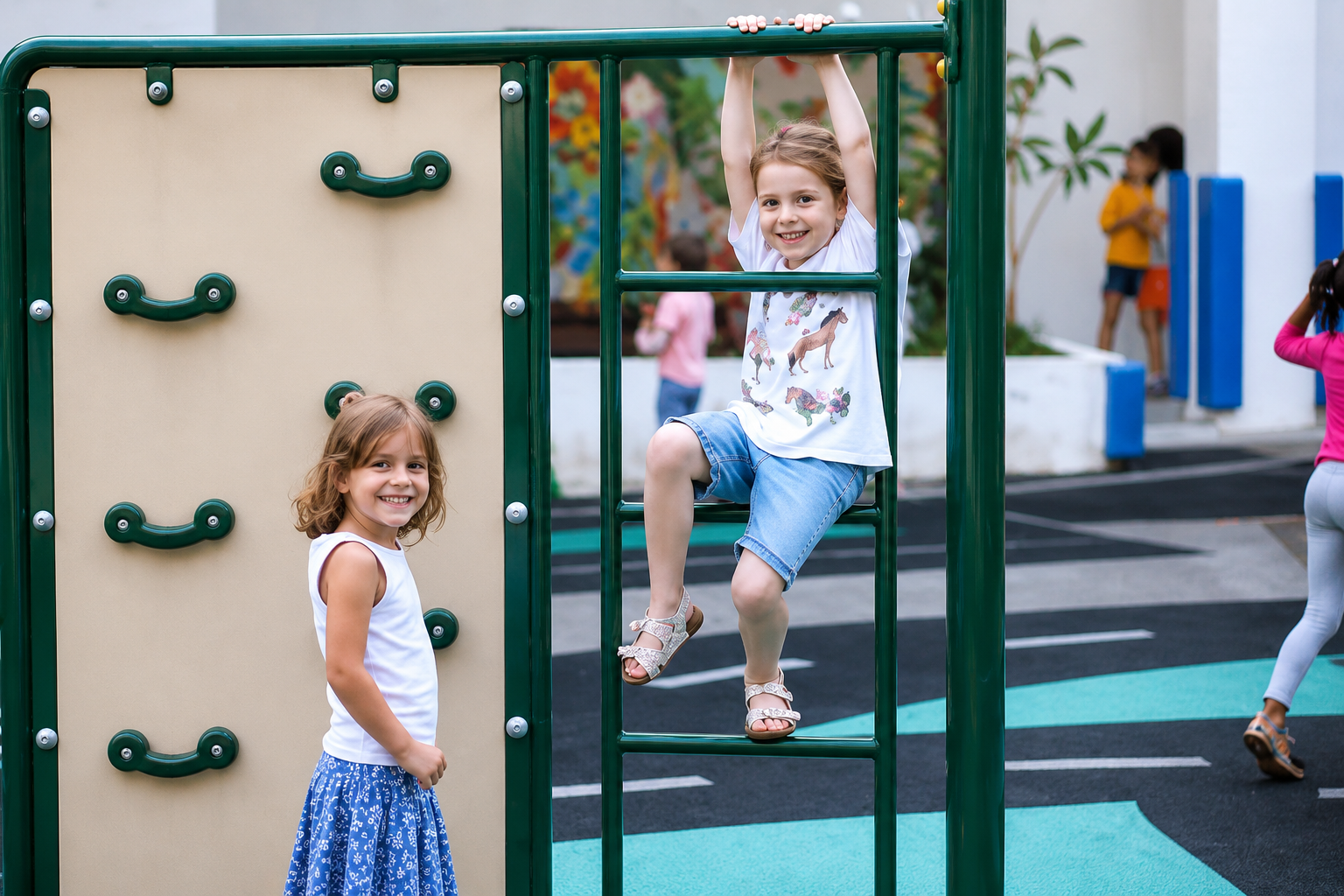
Student Wellbeing & Support
A confident learner is a child who feels safe, seen, and listened to.
At FSKL, looking after every child means more than teaching them. It means a team that knows them by name, teachers who notice when something shifts, specialists ready to step in when needed and parents who are part of every conversation.
Looking after every child, every day
The day-to-day wellbeing of our students is in the hands of our Vie Scolaire team
Our Student Support Service, led by a Conseiller Principal d'Éducation (CPE) and a team of educators. They are the first port of call for both children and parents on anything that doesn't fit neatly inside a classroom: attendance, behaviour, transitions between activities, lunch breaks, study time, friendship, and the rhythm of school life. The team:
Welcomes students at the start of the day and supervises departures at the end
Monitors attendance and stays in close contact with families
Supports children during study periods, lunch breaks and free time
Sits on class council meetings alongside teachers and the principal
Coordinates difficult moments with families (academic, social, or personal).
The Vie Scolaire offices are open weekdays from 7:30 a.m. to 6:30 p.m. (Wednesdays until 2:30 p.m.).

Catching difficulties early
Children learn differently. When something isn't working, a topic that hasn't clicked, a transition that's harder than expected, a behaviour shift at home, our teachers with our Vie Scolaire team and our school health professionals work together to understand what's happening and what would help.
This starts with conversation. Teachers know their students; parents know their children. Most challenges are best addressed early, before they grow.
When a more structured response is needed, we draw on the French Ministry of Education's framework of personalised support plans, used in every French school in the AEFE network worldwide, including FSKL.

Students with specific educational needs
Our school is open to every child regardless of nationality, background, or learning profile.
As part of the AEFE network, we follow the French Inclusive School policy: every student's specific educational needs are taken into account in the everyday life of the school.
Specific Educational Needs include:
Children with a chronic illness or health condition
Children with a "dys-" learning difference, dyslexia, dysorthographia, dysphasia, dyspraxia, dyscalculia
Intellectually precocious childre
Children with a disability
Children with persistent learning or adaptation difficulties
Unlike specialised institutions in France, FSKL is a general school. We adapt our regular classroom teaching and provide targeted support; we are not equipped to substitute for highly specialised care, and we will always be transparent with families about what is realistic given each child's profile.
Our four personalised support plans
When a child needs a structured response, we work with the family to put one of four plans in place. Each is signed by everyone involved, parents, headmaster, teachers, and the child where appropriate, and reviewed regularly.
Adjustments can also be requested for the French national exams, the Brevet in 3ème and the Baccalauréat in Terminale (extra time, separate room, specific equipment, oral instead of written). We start the conversation with concerned families at the beginning of the relevant school year so there's enough time to prepare properly.
| Plan | For whom | What it does |
|---|---|---|
| PAI Personalised Reception Plan |
A child with a chronic illness or disabling health condition | Sets out medical needs, emergency protocols, and day-to-day arrangements. |
| PAP Personalised Support Plan |
A child with a “dys-” learning difference, confirmed by a doctor | Defines teaching adjustments, such as extra time, alternative formats, and assistive tools. |
| PPRE Personalised Success Programme |
A child with persistent difficulties, or an intellectually precocious child | Sets short-term goals and specific actions, reviewed regularly. |
| PPS Personalised Schooling Plan |
A child whose disability has been formally recognised | Defines human and material support. For French nationals, it requires MDPH recognition. |
FAQs about Personalised Education
-
The plan follows the need. We use four plans, designed by the French Ministry of Education and applied across the AEFE network worldwide:
PAI for a chronic illness or disabling health condition (asthma, diabetes, severe allergies)
PAP for a "dys-" learning difference, confirmed by a doctor
PPRE for persistent school difficulties, or for an intellectually precocious child
PPS for a formally recognised disability (for French nationals, requires MDPH recognition)
The decision is made by an educational team bringing together the school principal, your child's teachers, our school health professionals, you as parents, and any external specialists already supporting your child. The team meets, examines the situation, and proposes the plan that fits. Every meeting is documented and signed by everyone involved. Plans are reviewed as your child grows and circumstances change.
-
Yes. Intellectually precocious children (enfants intellectuellement précoces or EIP) sometimes need adjustments just as much as children with learning difficulties, to keep their motivation, to deepen subjects faster, or to fill specific gaps that the standard pace leaves behind. For these children we put in place a Personalised Success Programme (Programme Personnalisé de Réussite Éducative or PPRE) that defines the right adjustments. The PPRE is built with you and the teaching team, signed by everyone, and reviewed regularly as your child's profile evolves.
-
If your child requires a dedicated school attendant (equivalent to an Auxiliaire de Vie Scolaire (AVS) in France), the need is first assessed by the educational team alongside our school health professionals, and the number of weekly hours is set based on what your child actually needs to thrive.
Abroad, the rules differ from France: the family recruits and pays the school attendant directly, in line with local Malaysian employment rules. The attendant works under the educational responsibility of the class teacher and the authority of the school principal. Some sponsors and companies can occasionally contribute funds; French families on AEFE scholarship may receive financial assistance toward the attendant's salary. We walk you through every step before you make a commitment.
-
We assess this case by case, in conversation with you, before enrolment. The newer parts of our campuses meet standard accessibility guidelines; older sections are more variable, and we are transparent about what works and what doesn't. Practical solutions, keeping a kindergarten or primary class on the ground floor near the entrance, arranging for teachers rather than students to move classrooms in secondary, adapting routes around the building are often possible. Specialised equipment is borne by the family, with possible financial support for French scholarship families via the Consulate.
-
Yes. Adjustments, extra time, a separate exam room, specific equipment, oral in place of written, can be requested for the Brevet (Diplôme National du Brevet, end of 3ème) and the Baccalauréat (Terminale). Your family submits the request to the school principal as early as possible (ideally on exam registration), with the supporting medical and educational documentation. The principal forwards it to the French Embassy's Cooperation and Cultural Action Counsellor, then to a designated medical officer for opinion, and a final decision is given by the Chief Education Officer of the affiliated French academic region.
If a need is identified late ,after an accident, or a late diagnosis, contact the school principal immediately. The team will work directly with the examination centre to handle the request outside the normal time limits.
-
We work with what your child has. When a specific learning difference is confirmed by a doctor, we put in place a Personalised Support Plan (Plan d'Accompagnement Personnalisé ou PAP) that defines the day-to-day adjustments: extra time, alternative formats, assistive tools, modified spelling expectations, oral instead of written where helpful.
The plan is built with the family, the teaching team, and any external specialists already supporting your child. In a multilingual school, dys- support requires real partnership , progress is strongest when school and family work closely together, especially in a multilingual environment, and the educational team will be honest with you about what realistic progress looks like across both French and English.
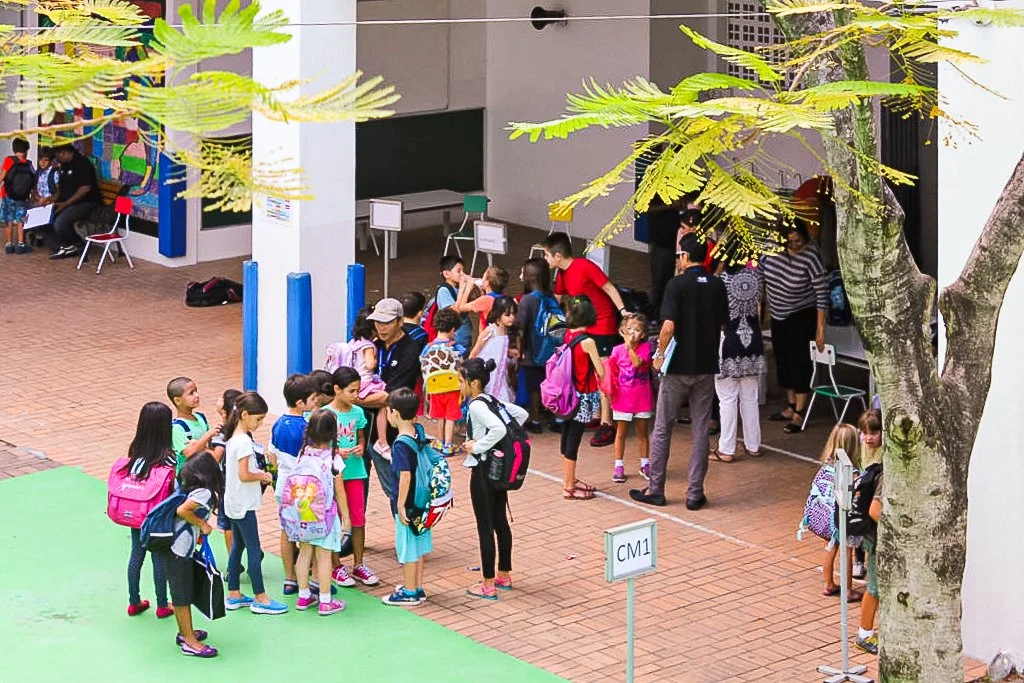
Student Support Services
The Student Support Services team supports students’ daily life at school and works closely with teachers, school leaders, and families to ensure students feel safe, supported, and ready to learn.
-
Act as a link between students, teachers, school management, and parents
Monitor student attendance and absences
Support student behaviour and well-being
Help ensure the smooth daily running of school life
Work closely with teachers and school leaders to support students’ academic progress
Organise and participate in class council meetings
-
Supervisors support students throughout the school day by:
Welcoming students in the morning and supervising dismissal
Supervising playgrounds and sports areas during breaks
Overseeing lunch breaks and study periods
Supervising homework sessions, including Wednesday afternoon study
Supporting Lower Secondary students during study periods
Assisting with school visits for new or prospective families
-
The Student Support Services team also:
Supports educational and school activities
Helps organise student representative elections
Participates in Secondary and High School Council activities
Support Hours
Monday to Friday: 7:30 AM – 6:30 PM
Wednesday: 7:30 AM – 2:30 PM
After-School Care
A Safe and Caring Environment After School
FSKL offers supervised after-school care for students in a safe, calm, and welcoming environment. The service provides families with flexible support beyond regular school hours while ensuring students remain engaged and comfortable.
Students can enjoy quiet and age-appropriate activities such as reading, drawing, educational games, homework time, and supervised play.
Supervised by school staff
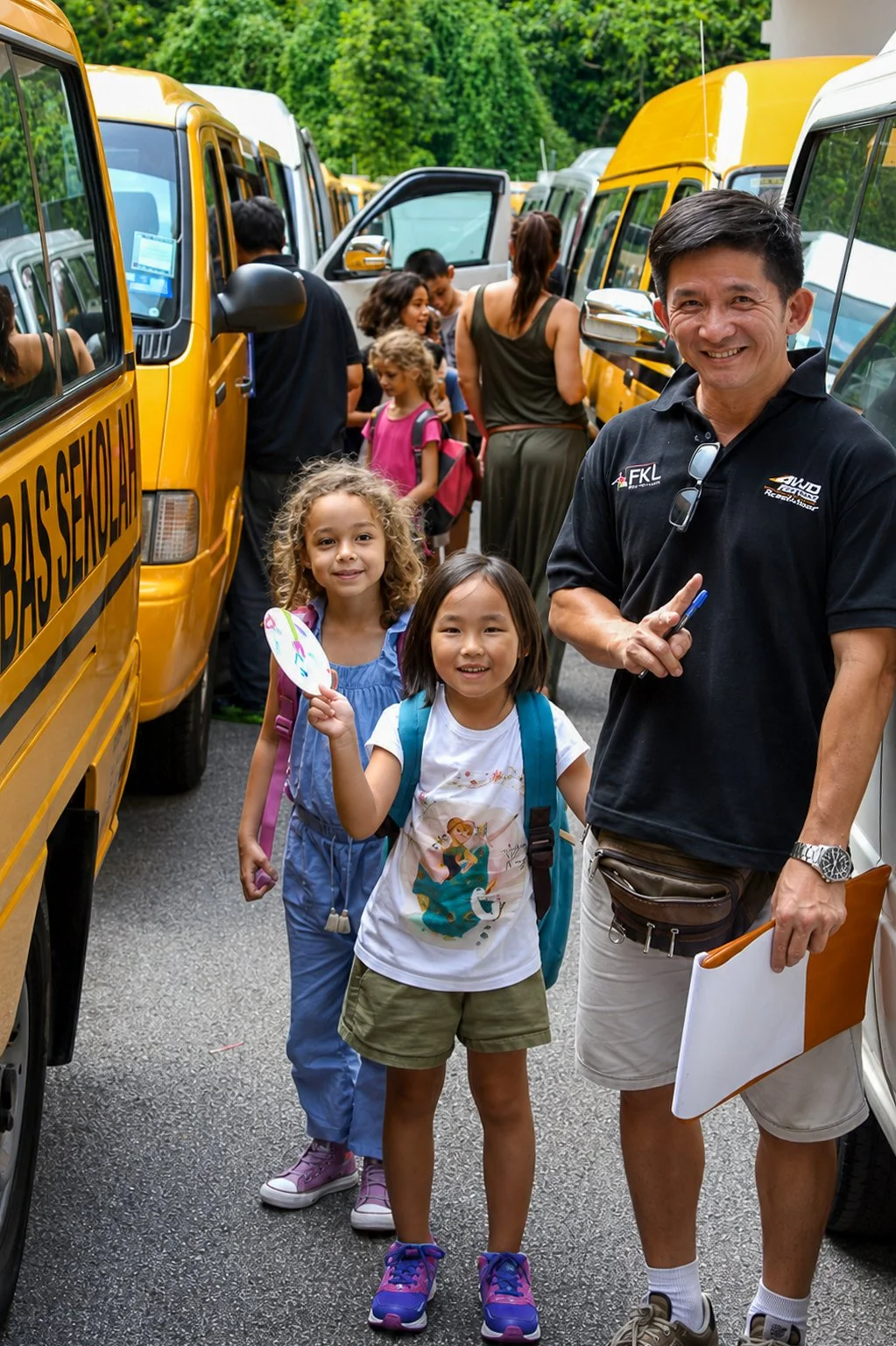
Safe pick-up procedures
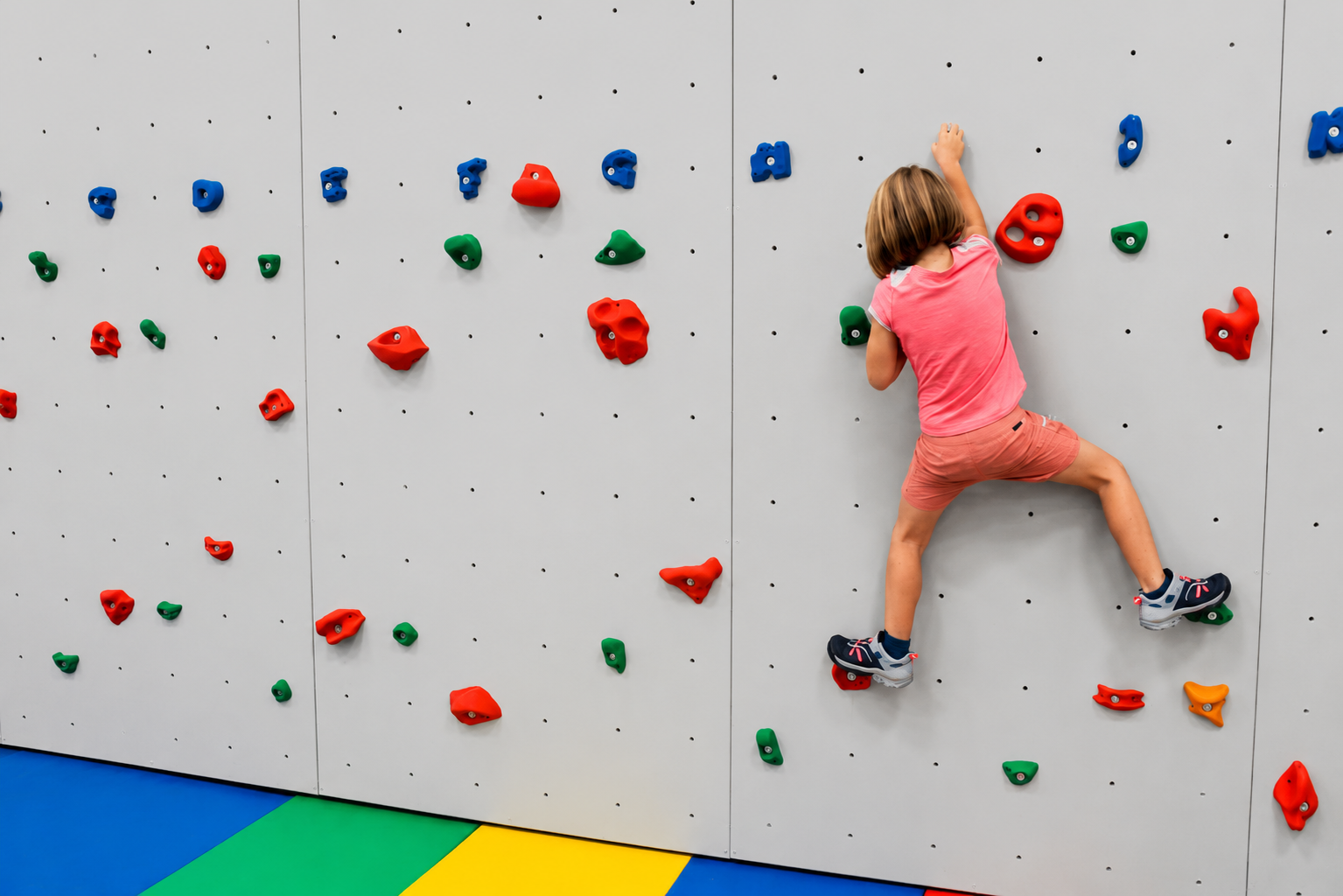
Quiet activities and play areas